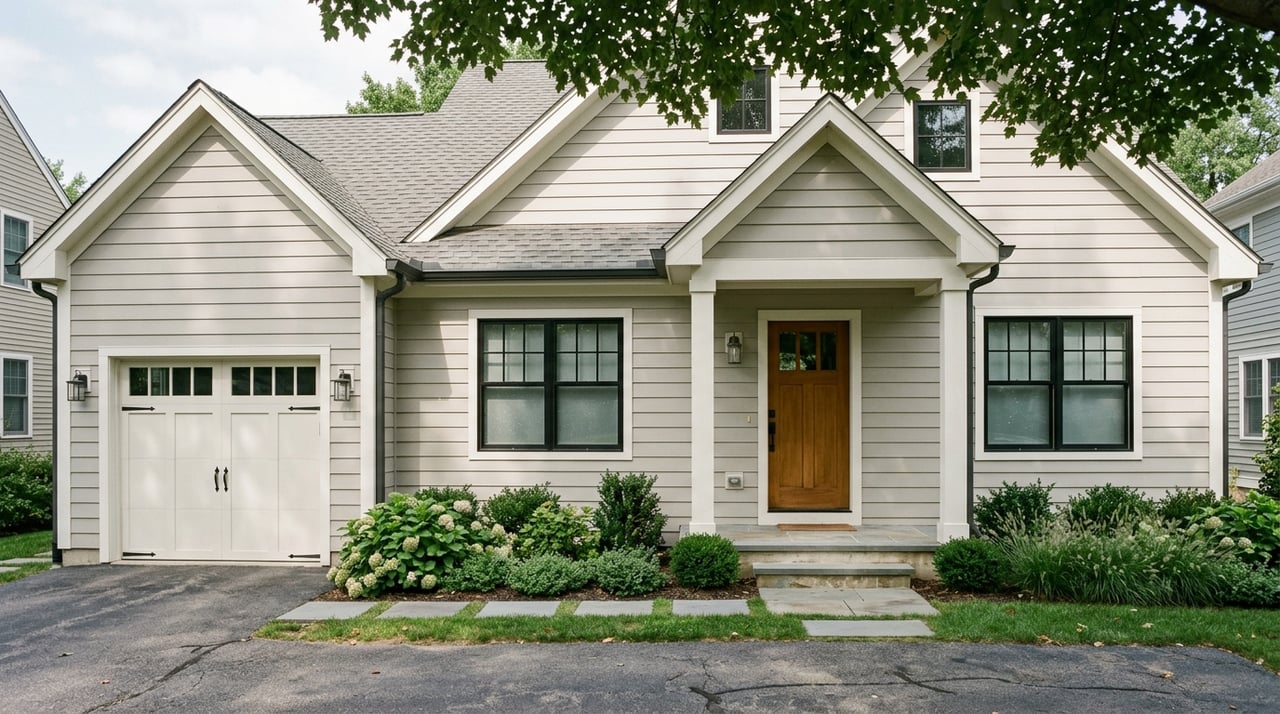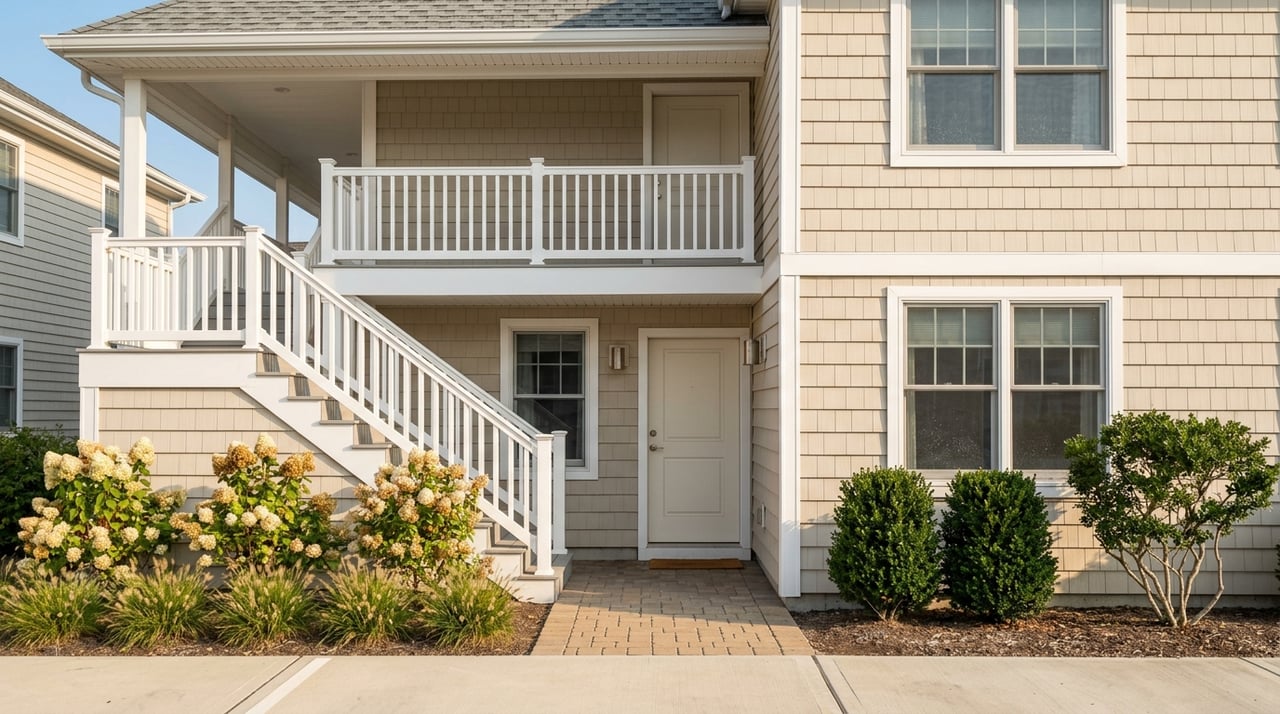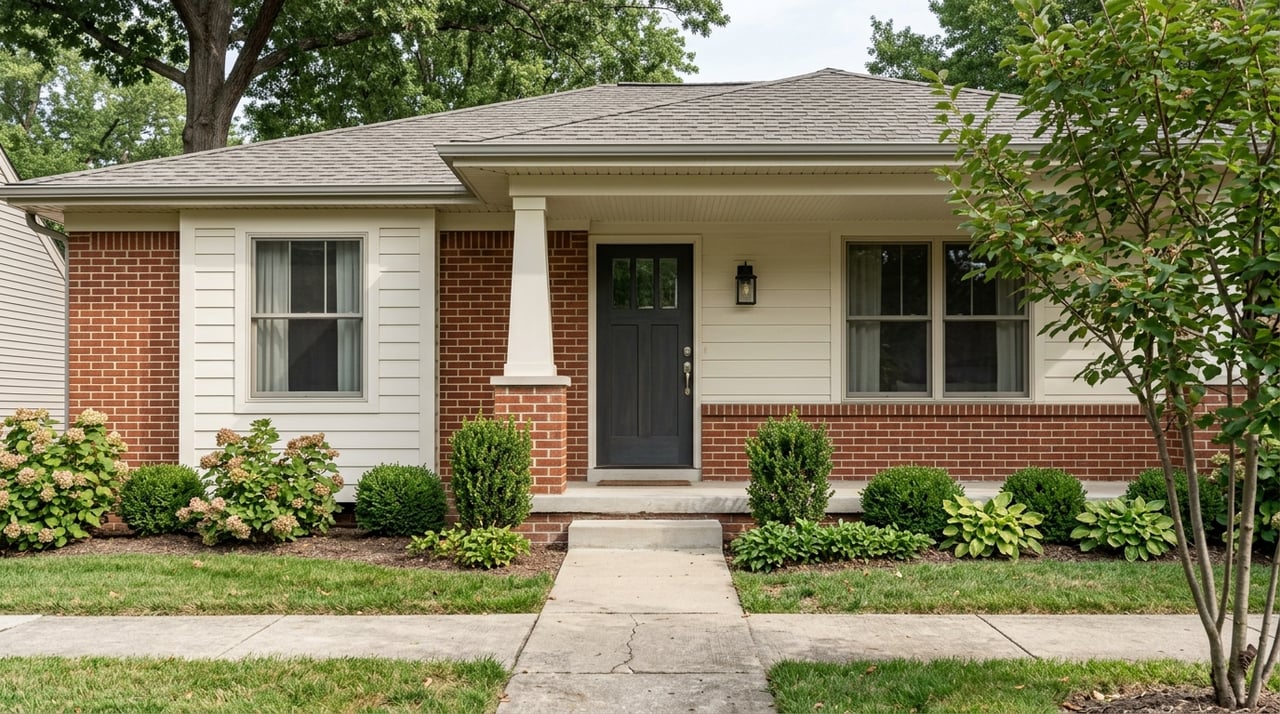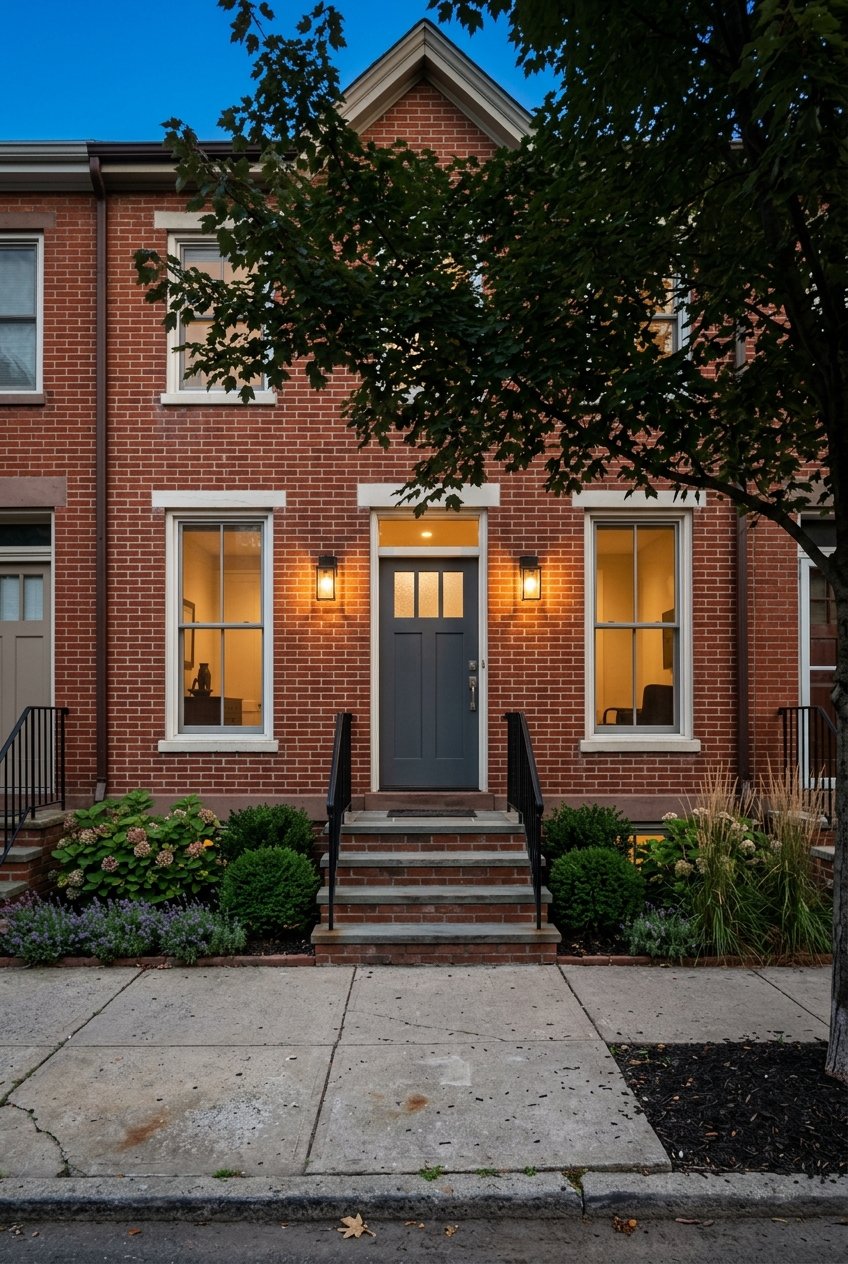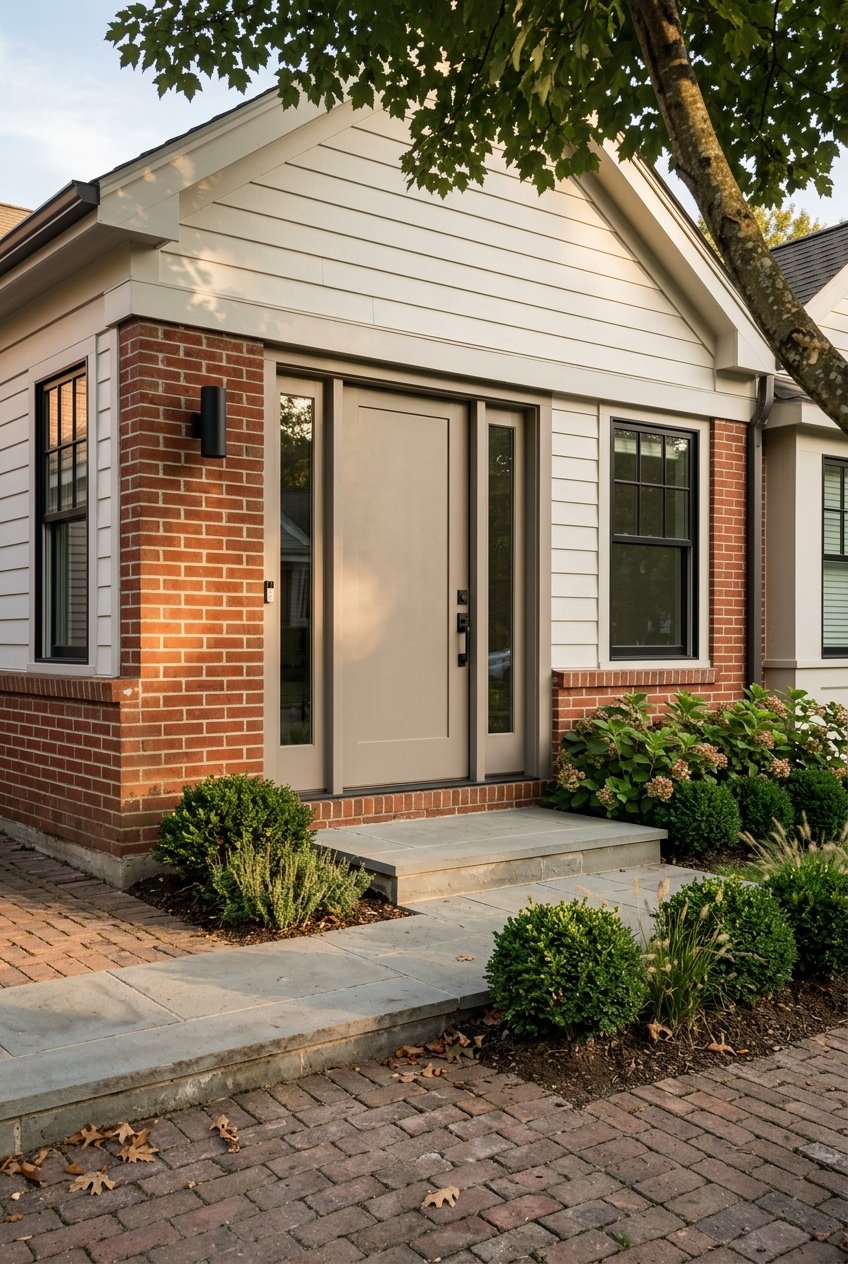
If you’re searching for the right fit in Newtown Square, one thing becomes clear fast: this is not a one-style-fits-all market. Some areas feel quiet and estate-like with larger lots and mature landscaping, while others offer newer townhomes, walkable mixed-use living, or lower-maintenance options. Understanding those differences can help you narrow your search, set realistic expectations, and focus on the neighborhoods and home styles that match how you actually want to live. Let’s dive in.
Why Newtown Square Feels So Varied
Newtown Township sits in Delaware County about 12 miles west of Center City Philadelphia and next to the Main Line. That location helps explain why it appeals to a wide mix of buyers, from people looking for more yard space to those who want newer construction with less upkeep.
The housing stock also reflects that mix. The township’s history notes that old stone homes and structures still dot the landscape, while newer planned communities add carriage homes, townhomes, and condo-style options. In short, Newtown Square gives you a blend of historic character, suburban space, and more modern development patterns.
Current Census Reporter data estimate about 6,299 housing units in the township, with a 77.8% owner-occupied rate and a median owner-occupied value of $611,100. That gives you a useful baseline, but it does not tell the whole story because prices and property types vary widely depending on the neighborhood and home style.
How Zoning Shapes Home Styles
A big reason Newtown Square feels different from one pocket to the next is lot size. The township zoning code allows detached-home districts that step down from 60,000-square-foot lots with 175 feet of frontage to 45,000, 25,000, and 12,000 square feet.
That range matters when you are comparing neighborhoods. Larger-lot areas often feel more private and spacious, while smaller-lot detached sections feel a little more compact and connected. Townhouse districts are more clustered, which creates a more village-like feel with smaller yards and lower exterior maintenance.
The township’s comprehensive plan also preserves existing residential neighborhoods while directing more mixed-use and higher-density housing toward the Ellis Preserve, West Chester Pike, and Boot Road corridor. For buyers, that means neighborhood character is not random. It is shaped by a clear local pattern.
Established Detached-Home Areas
If you picture Newtown Square as tree-lined streets, larger homes, and a more traditional suburban feel, you are likely thinking of the township’s detached-home pockets. These areas often feature Colonial, Federal, and custom traditional homes with mature landscaping, wooded settings, and cul-de-sac streets.
Springton Pointe Estates is one of the clearest examples. It is described as a well-established neighborhood made up mostly of expansive single-family homes, with recorded sales ranging from $505,675 to $950,000 and homes built between 1945 and 2021.
Recent examples in that neighborhood show larger traditional homes on lots from about half an acre to nearly 1.9 acres. That makes this type of neighborhood especially relevant if your wish list includes privacy, more outdoor space, or a classic detached-home layout.
What to expect in detached neighborhoods
In these areas, you will usually find:
- Larger lots and more separation between homes
- Traditional home designs rather than compact modern layouts
- Mature trees and established landscaping
- A stronger emphasis on yard space and driveway parking
- Wider variation in home age, updates, and finishes
This category can work well if you want room to spread out and do not mind the added maintenance that comes with a larger property.
Newer Carriage Homes and Townhome Pockets
Not every buyer wants a big lot or the upkeep that comes with one. In Newtown Square, newer planned communities offer a different lifestyle, often with shared amenities, more predictable layouts, and less exterior maintenance.
Liseter stands out in this category. Toll Brothers describes it as a community of carriage and single-family homes set on estate grounds, with a 50-acre nature preserve, pathways, a restored-barn clubhouse, a pool, tennis courts, and trails.
That setting gives buyers a middle ground. You may still get a spacious home, but the overall neighborhood design leans more planned and amenity-oriented than the older detached sections of the township.
Springton Pointe Woods is another useful comparison point. Built between 2004 and 2005, it includes larger attached homes and some single-family options, with homes around 2,668 to 4,116 square feet.
For some buyers, that can be the sweet spot. You may get more interior space than a typical townhome while avoiding the scale and maintenance demands of a full estate-style lot.
Why buyers look at these communities
These neighborhoods often appeal to buyers who want:
- Newer construction or newer overall community design
- More interior space with less lot maintenance
- Community amenities and trails
- A more structured neighborhood feel
- Easier day-to-day upkeep than a larger detached property
If you are moving from a Philadelphia rowhome, a condo, or a smaller suburban property, this type of community can feel like a practical step up without becoming overwhelming.
Walkable Living Near Ellis Preserve
If walkability and newer housing are high on your list, Ellis Preserve is the most distinctive pocket in Newtown Square. The official brochure describes it as a 218-acre master-planned mixed-use community with 64 urban-style townhomes and 200 luxury apartments.
Within that area, Newtown Walk offers 3-bedroom condo-style townhomes with attached garages and low-maintenance living near shopping and dining. The newer TOWNS at Newtown Walk add four-story townhomes with rooftop terraces and optional elevators, with prices from about $1.02 million to $1.21 million.
This part of Newtown Square feels different from the township’s more traditional detached neighborhoods. Instead of lot size driving the experience, convenience, newer finishes, and a mixed-use setting play a bigger role.
Who may prefer Ellis Preserve-style housing
This type of housing can be a strong fit if you want:
- Newer construction
- Lower-maintenance living
- A more connected, mixed-use setting
- Attached garages and modern layouts
- Easy access to nearby shopping and dining
For buyers comparing suburban options, this area offers a version of Newtown Square that feels more contemporary and more walkable than the township’s estate-like pockets.
Maintenance-Light Options for Downsizers
For buyers focused on downsizing or looking for maintenance-light living, White Horse Village adds another layer to the local housing picture. The community sits on 109 acres and offers 331 independent residence options.
According to the official site, those options include apartment homes, garden cottages, villas, Woodlands country homes, and Saratoga carriage homes. That variety makes it the township’s clearest campus-style senior living option.
What matters most here is the range of housing forms. Rather than forcing buyers into one format, this setting offers several ways to scale down while still choosing the type of space and layout that feels comfortable.
Common Home Styles You’ll See
As you explore Newtown Square, it helps to think in categories rather than expecting one dominant look. The township includes both older detached homes and newer attached or clustered housing, so style often follows neighborhood type.
In detached neighborhoods, Colonial, Federal, and larger custom traditional homes are common. These homes often sit on bigger lots and tend to have a more classic suburban appearance.
In newer planned communities, the mix shifts toward carriage homes, townhouse forms, and condo-style townhomes. In places like White Horse Village, the menu broadens further to include apartments, cottages, villas, and carriage homes.
A simple way to compare styles
| Home style | Typical feel | Best for |
|---|---|---|
| Detached traditional home | More privacy, larger lot, classic layout | Buyers who want yard space and separation |
| Carriage home | Spacious but lower-maintenance feel | Buyers who want room without a large lot |
| Townhome or condo-style townhome | Compact footprint, modern convenience | Buyers who want easier upkeep and newer layouts |
| Cottage, villa, or apartment-style option | Maintenance-light living | Downsizers seeking simplicity |
What Price Range Really Looks Like
One of the biggest mistakes buyers make is assuming Newtown Square has one typical price point. In reality, the market spans several neighborhood types and a broad range of values.
The township’s median owner-occupied value is about $611,100. Springton Pointe Estates shows a neighborhood median sale price of $562,500, while the newer TOWNS at Newtown Walk are priced from about $1.02 million to $1.21 million.
Taken together, those examples show why it is better to think in segments than averages. Older detached neighborhoods may start in the mid-$500,000s, while newer luxury townhome options can reach into the low seven figures.
How to Choose the Right Newtown Square Fit
The best neighborhood for you depends less on the name of the area and more on your daily priorities. If privacy, yard size, and a traditional detached-home feel matter most, established single-family pockets may be your best match.
If you want amenities and less exterior maintenance, planned communities such as Liseter or Springton Pointe Woods may deserve a closer look. If newer construction and walkability matter most, Ellis Preserve and Newtown Walk stand out.
A helpful way to narrow your search is to rank these four factors before you tour homes:
- Lot size and outdoor space
- Maintenance level
- Home age and style
- Walkability and nearby amenities
Once you know which of those matters most, Newtown Square starts to make much more sense.
Why Local Guidance Matters Here
Because Newtown Square includes such different housing pockets, online browsing only gets you so far. Two homes with similar square footage can offer very different lifestyles depending on lot size, neighborhood design, and surrounding development.
That is why local guidance matters. When you understand how established neighborhoods, newer communities, and mixed-use pockets compare, you can shop with more confidence and avoid wasting time on homes that do not really fit your goals.
If you are trying to sort through Newtown Square neighborhoods and decide which home style makes the most sense for your next move, Carolyn Jean Phillips can help you compare options with clear, local insight and steady support.
FAQs
What kinds of home styles are common in Newtown Square, PA?
- Newtown Square includes detached Colonial, Federal, and traditional homes, along with carriage homes, townhomes, condo-style townhomes, and maintenance-light options such as cottages, villas, and apartments in certain communities.
Which Newtown Square neighborhoods are known for larger detached homes?
- Established detached-home areas such as Springton Pointe Estates are known for expansive single-family homes, larger lots, and a more traditional suburban feel.
Where can you find newer townhomes in Newtown Square, PA?
- Ellis Preserve and Newtown Walk are two of the clearest options for newer townhome-style living in Newtown Square, including urban-style and condo-style townhomes.
Is Newtown Square, PA a good place to find lower-maintenance living?
- Yes. Communities such as Liseter, Springton Pointe Woods, Ellis Preserve, and White Horse Village offer options that are generally more maintenance-light than large detached properties.
What is the typical home price range in Newtown Square, PA?
- The range is broad. Research examples show older detached neighborhoods in the mid-$500,000s, a township median owner-occupied value around $611,100, and newer luxury townhomes in the low seven figures.
How do lot sizes affect neighborhoods in Newtown Square?
- Lot sizes are a major reason the township feels so varied. Larger detached districts create a more spacious, estate-like feel, while townhouse and clustered districts create a more compact, village-like setting.