Thinking about a second home in North Wildwood? You are not alone. For many buyers from the Greater Philadelphia area and beyond, the idea of having your own place near the shore sounds simple and exciting. But in a seasonal market like North Wildwood, the smartest purchase starts with understanding the real costs, rules, and ownership responsibilities before you fall in love with a property. Let’s dive in.
Why North Wildwood Appeals to Second-Home Buyers
North Wildwood has the kind of shore lifestyle that draws people back year after year. Cape May County reported 12 million visitors in 2025, with $8.44 billion in visitor spending, and 52% of visitors returning two or more times a year. That repeat visitation helps explain why many buyers start by renting for a few summers and then begin thinking about ownership.
The area is known for free beaches, boardwalk activity, concerts, fishing, and a strong summer rhythm. It is especially appealing if you want a place for weekend getaways, summer holidays, or hosting family and friends. For many second-home buyers, the draw is personal use first, with possible rental income as a secondary benefit.
Understand the Seasonal Nature of the Market
North Wildwood is not the same as buying in a year-round suburban town. It functions much more like a classic shore destination, with heavy summer activity and a major seasonal population increase. Cape May County’s summer population rises to more than 820,000, which can affect everything from parking to property use.
That seasonal pattern matters when you think about how often you will use the home. A property that feels perfect for July and August may come with different expectations in the off-season. Before you buy, it helps to be honest about whether you want a summer retreat, an occasional getaway, or a property you may also rent out.
Property Types in North Wildwood
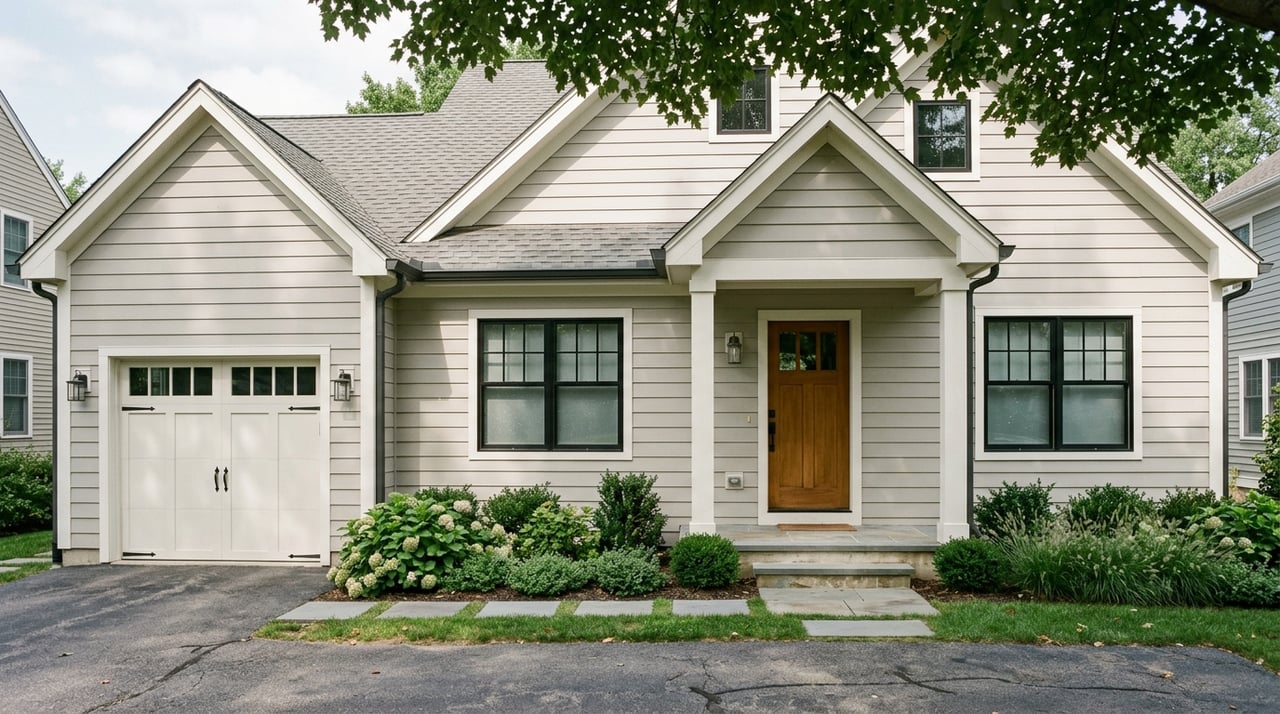
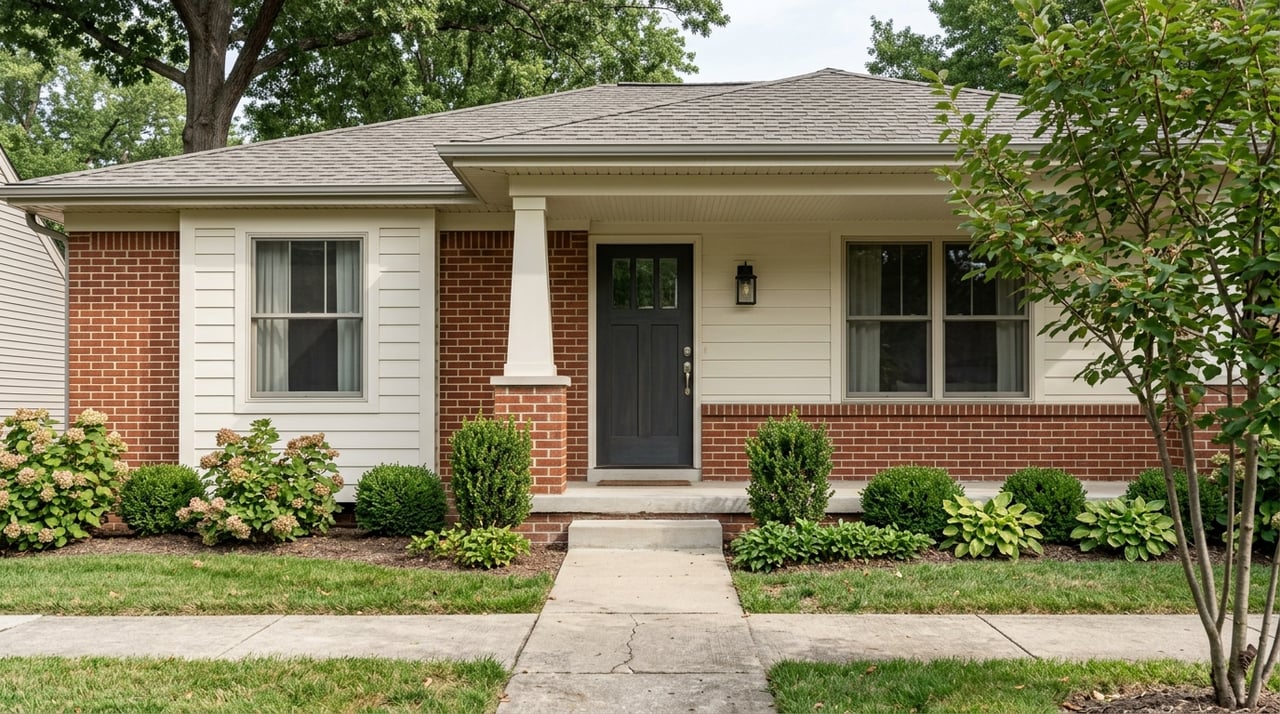
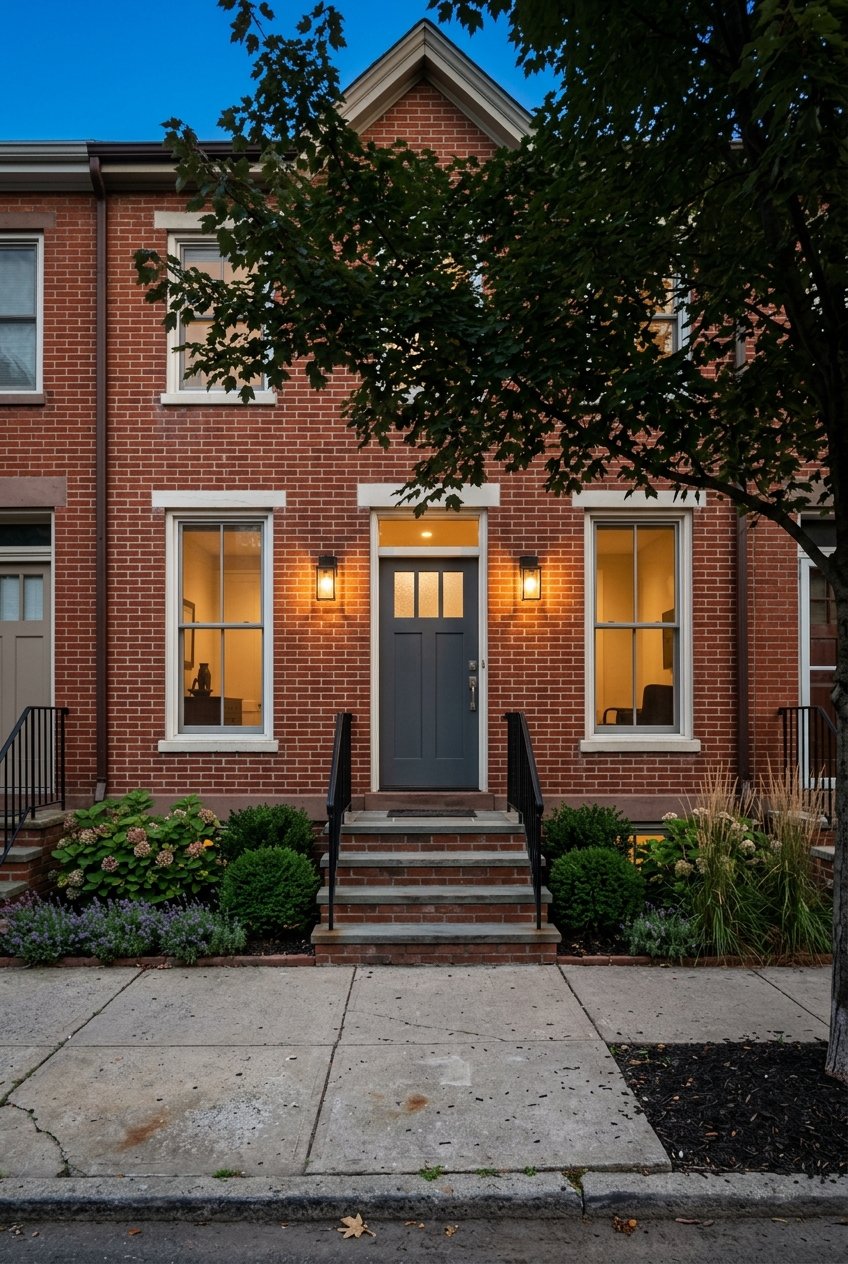
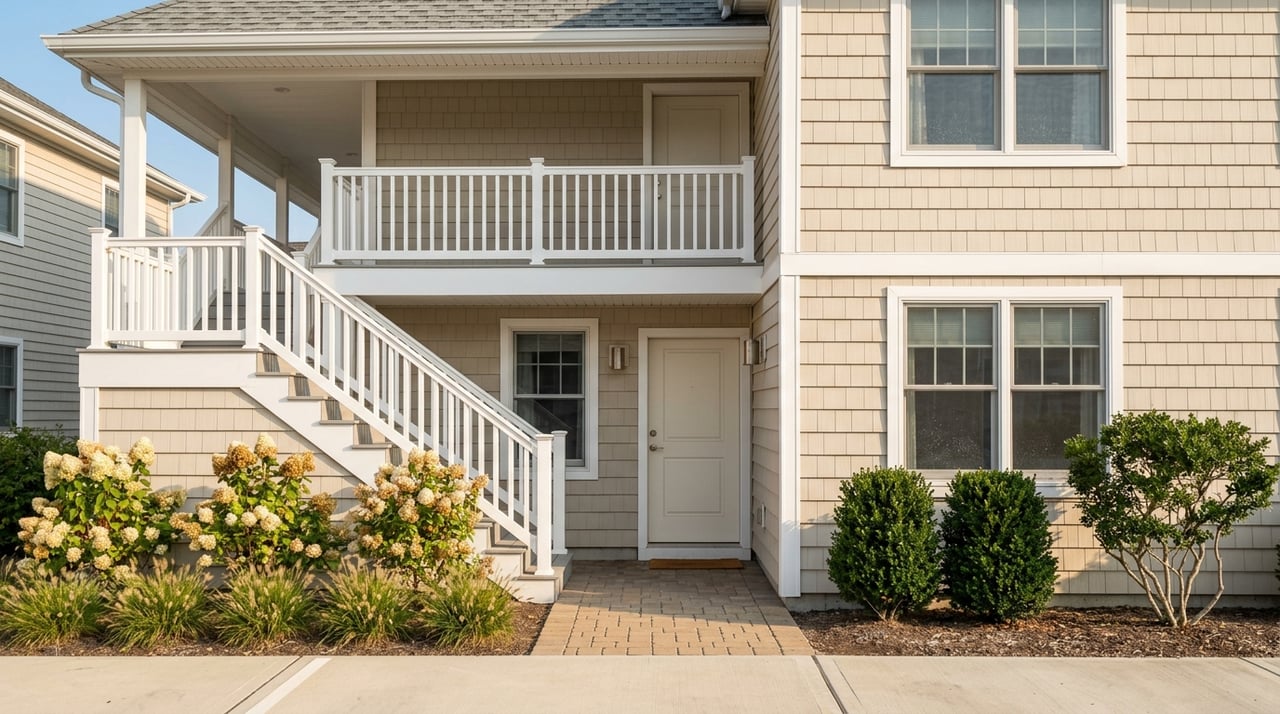
Buyers in North Wildwood typically find a mix of condos, single-family homes, townhouses, and multi-family properties. Current listing data shows all four types are part of the local market, which gives you some flexibility depending on your goals, budget, and maintenance preferences.
Redfin data shows 56 condos for sale at a median listing price of $402,000, along with townhouses and multi-family options. As of April 2026, the median sale price across the market was $532,225, and median days on market were 88. That suggests a market where you may have time to evaluate your options, but careful due diligence still matters.
Condos and Townhouses
Condos and townhouses can be attractive if you want less day-to-day exterior upkeep. In many cases, the association handles certain common-area responsibilities, which may make ownership feel more manageable for part-time use.
That said, lower maintenance does not always mean simple ownership. You will want to understand exactly what the association covers, what you are responsible for, and whether any special assessments or insurance changes may be on the horizon.
Single-Family Homes
A detached home may give you more privacy, more flexibility, and fewer shared rules. It may also offer more space for guests, storage, or beach gear.
But with that flexibility usually comes more direct responsibility. You may be handling more of the upkeep yourself, including exterior maintenance, storm preparation, and property monitoring when you are not in town.
Multi-Family Properties
Some buyers look at duplexes or other multi-family options as a way to combine personal use with income potential. That approach can work for the right buyer, especially if you want one unit for yourself and another for permitted rental use.
Still, this is not a plug-and-play decision. In North Wildwood, rental permits, inspection requirements, insurance, and property management questions can all affect whether a multi-family purchase makes sense.
Carrying Costs Matter More Than Many Buyers Expect
One of the biggest surprises for second-home buyers is how quickly carrying costs add up. In North Wildwood, the purchase price is only part of the financial picture.
The city’s 2026 adopted budget lists a local tax rate of 0.9573 per $100 of assessed value, up from 0.9290 the prior year. In the 2025 user-friendly budget, the total tax rate was 1.680, with an average residential tax bill of $5,236.91. The municipal portion alone was estimated at $2,902.79.
You should also plan for sewer bills, insurance, utilities, association dues if applicable, and seasonal costs like parking. The city notes that tax bills are mailed in July or August and sewer bills in March or April. There is a 10-day grace period, and delinquent balances can accrue interest and a year-end penalty.
Do Not Overlook Parking Costs
Parking may sound like a small detail until you own a shore property during peak season. In North Wildwood, paid parking runs from May 15 through September 30.
For 2026, the city clerk lists a $500 transferable seasonal permit and a $400 low-speed-vehicle permit. If you expect to visit often on weekends, host guests, or own in an area where street parking is tight, parking should be part of your annual budget from the start.
Flood Risk Should Be an Early Conversation
Flood exposure is one of the most important parts of buying a second home in North Wildwood. The city states that North Wildwood in its entirety is mapped within the 100-year flood plain, and its base flood elevation is 10 feet.
That does not mean every property carries the same risk or cost, but it does mean flood due diligence is essential. The city also notes that most homeowners insurance does not cover flooding. That is why it is smart to request a flood insurance quote early and review any available elevation certificate for the exact address before you move too far into a deal.
Questions to Ask About Flood Exposure
- Is there a current elevation certificate for the property?
- What is the flood insurance quote for this exact address?
- Has the property had any flood-related improvements or flood-proofing work?
- Are there any known insurance changes that could affect carrying costs?
If You Buy a Condo, Read the Association Documents Carefully
If you are considering a condo or townhouse, the association documents deserve close attention. New Jersey DCA states that owners in planned real estate developments have rights related to financial records, public meetings, and alternate dispute resolution.
DCA also explains that associations are generally responsible for cited violations in common and exterior areas, while individual owners usually handle violations inside their own units. That division of responsibility is one reason it is so important to review bylaws, budgets, meeting minutes, reserve funding, and any pending special assessments.
Key Association Questions to Ask
- What does the association cover versus the owner?
- Are there any upcoming special assessments?
- How strong are reserves?
- Have insurance costs changed recently?
- Are there restrictions on pets, parking, storage, or guest use?
Rental Rules Can Affect Your Plans
Many second-home buyers like the idea of offsetting costs with occasional rental income. That can be part of the plan in North Wildwood, but only if the property and local rules allow it.
The city clerk states that no property owner may rent or offer to rent an apartment or dwelling without first obtaining a permit. The current room-license application lists fees of $300 per condo or townhouse unit or $175 per house or apartment, plus $12 per sleeping room. There are also landlord registration and inspection or compliance requirements.
That means you should confirm both sets of rules before buying. First, find out whether the HOA permits rentals and whether there are minimum-stay rules or guest limits. Second, make sure you understand the city permit and registration requirements tied to the property type.
Tax Relief May Not Apply to Second Homes
Some buyers assume they may qualify for local property tax relief programs, but second-home owners often do not. North Wildwood’s assessor notes that the senior deduction requires the owner to be a full-time legal resident, and the disabled veteran exemption requires the property to be the primary address.
If you are buying a second home rather than a primary residence, it is wise to budget without expecting these deductions. That can help you make a cleaner, more realistic ownership decision.
A Smart Second-Home Buying Checklist
Before you make an offer, it helps to have a simple framework for evaluating the property beyond the listing photos.
- Estimate your full first-year carrying cost, including taxes, insurance, dues, sewer, utilities, permits, and parking
- Review flood exposure for the exact address
- Request a flood insurance quote early
- If applicable, read the HOA bylaws, budget, meeting minutes, and reserve information
- Confirm rental rules, permit requirements, and any minimum-stay restrictions
- Ask about parking, storage, pets, and guest-use policies
- Clarify what maintenance is yours and what is handled by the association
The Bottom Line on Buying in North Wildwood
A second home in North Wildwood can be a great fit if you want easy access to the beach, a summer-focused lifestyle, and a place you can enjoy with family and friends. It can also work for buyers who may want occasional rental income, as long as they go in with clear expectations.
The biggest key is not just finding a property you love. It is making sure the numbers, rules, flood considerations, and ownership responsibilities all fit your goals. When you understand the full picture early, you can buy with a lot more confidence and a lot less stress.
If you are weighing your options in North Wildwood or other South Jersey shore markets, Carolyn Jean Phillips can help you sort through the details, ask the right questions, and move forward with clarity.
FAQs
What makes North Wildwood appealing for a second home?
- North Wildwood attracts repeat visitors with free beaches, boardwalk activity, concerts, fishing, and a strong summer shore lifestyle, which makes it a natural fit for buyers who want a seasonal retreat.
What property types are common in North Wildwood for second-home buyers?
- Buyers will typically see condos, single-family homes, townhouses, and multi-family properties, each with different maintenance responsibilities and ownership considerations.
What extra costs should you expect when buying a second home in North Wildwood?
- In addition to the purchase price, you should budget for property taxes, sewer bills, insurance, utilities, HOA dues if applicable, flood insurance, rental permits if needed, and seasonal parking costs.
Why is flood insurance such an important topic in North Wildwood?
- The city states that all of North Wildwood is mapped within the 100-year flood plain, and most homeowners insurance does not cover flooding, so buyers should review flood exposure and quote flood insurance early.
What should you review before buying a condo in North Wildwood?
- You should review the HOA bylaws, budget, meeting minutes, reserve funding, insurance situation, special assessments, and rules related to rentals, parking, pets, storage, and guest use.
Can you rent out a second home in North Wildwood?
- You may be able to, but you need to verify both HOA rules and city requirements, since the city requires a permit before a property can be rented or offered for rent.
Do property tax deductions in North Wildwood usually apply to second homes?
- Many do not, because certain local deductions and exemptions listed by the assessor require full-time residency or a primary address.