If you are thinking about buying a home in Ridley Park, you are probably trying to balance charm, budget, timing, and commute all at once. This borough has a distinct feel, a mix of home styles, and some local details that can surprise buyers if you are not prepared. The good news is that a little local knowledge can go a long way. Here is what you should know before you start touring homes in Ridley Park.
Ridley Park at a Glance
Ridley Park is a small borough in Delaware County with roots that go back to the 1870s. Local rules and planning reflect that history, with borough regulations written to preserve and build on the community’s traditional and historic character.
It is also a relatively stable housing market. The U.S. Census QuickFacts data lists a 2024 population estimate of 7,310, an owner-occupied housing unit rate of 63.6%, and 87.3% of residents living in the same house one year earlier. For buyers, that can mean fewer turnover opportunities and a need to be ready when the right home hits the market.
Ridley Park Housing Stock
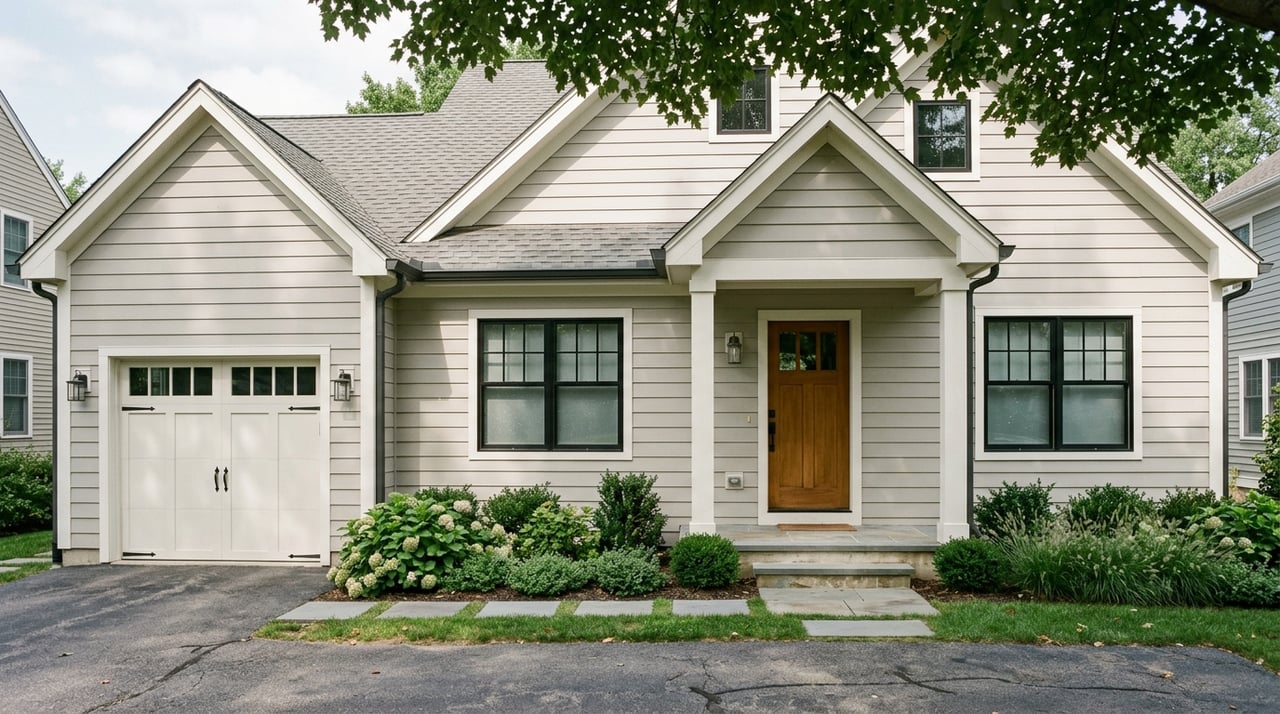
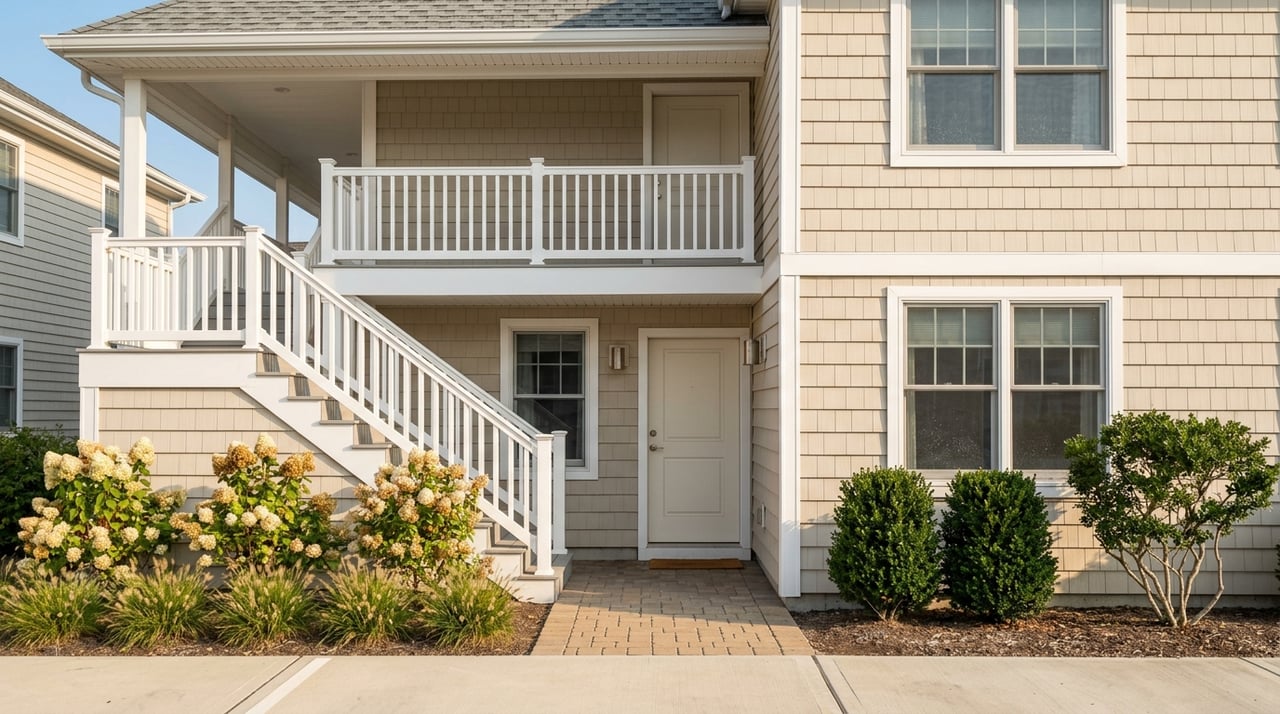
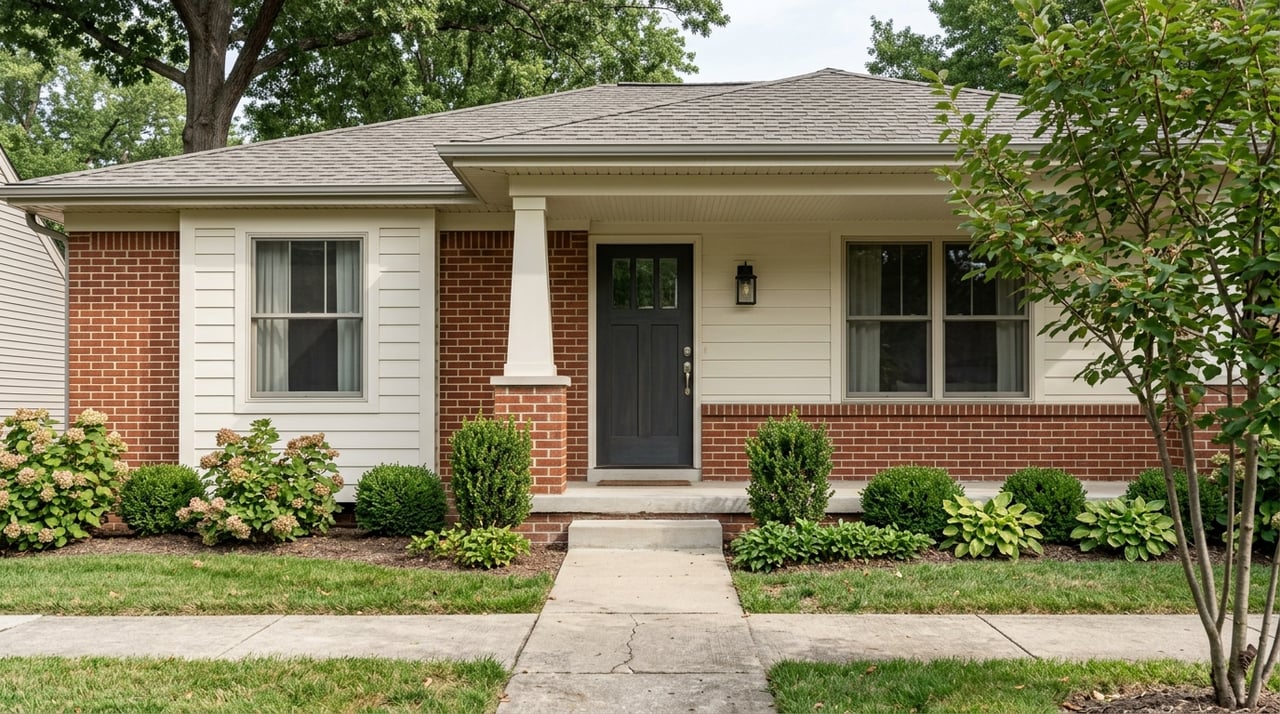
One of the first things buyers notice in Ridley Park is that the housing stock is not one-size-fits-all. Current listing data shows a mix of single-family homes, townhomes, and multi-family or duplex-style properties within borough boundaries.
A recent Realtor.com snapshot showed a median listing home price of $344,950, 16 median days on market, and 38 active listings. That combination suggests a market where buyers have options, but not endless time to decide.
If you are comparing property types, current search results showed:
- 16 single-family homes
- 18 townhomes
- 3 multi-family or duplex listings
That mix matters because many buyers assume a small borough like Ridley Park is mostly detached homes. In reality, you may see detached houses, twins, and townhomes, sometimes all within a short distance of each other.
What “Twin” Means Locally
In Ridley Park, listing language matters. Two terms you are likely to see are twin and semi-detached.
The borough zoning code uses those categories directly, and they refer to side-by-side attached single-family homes. In other words, these are structural descriptions, not just style labels.
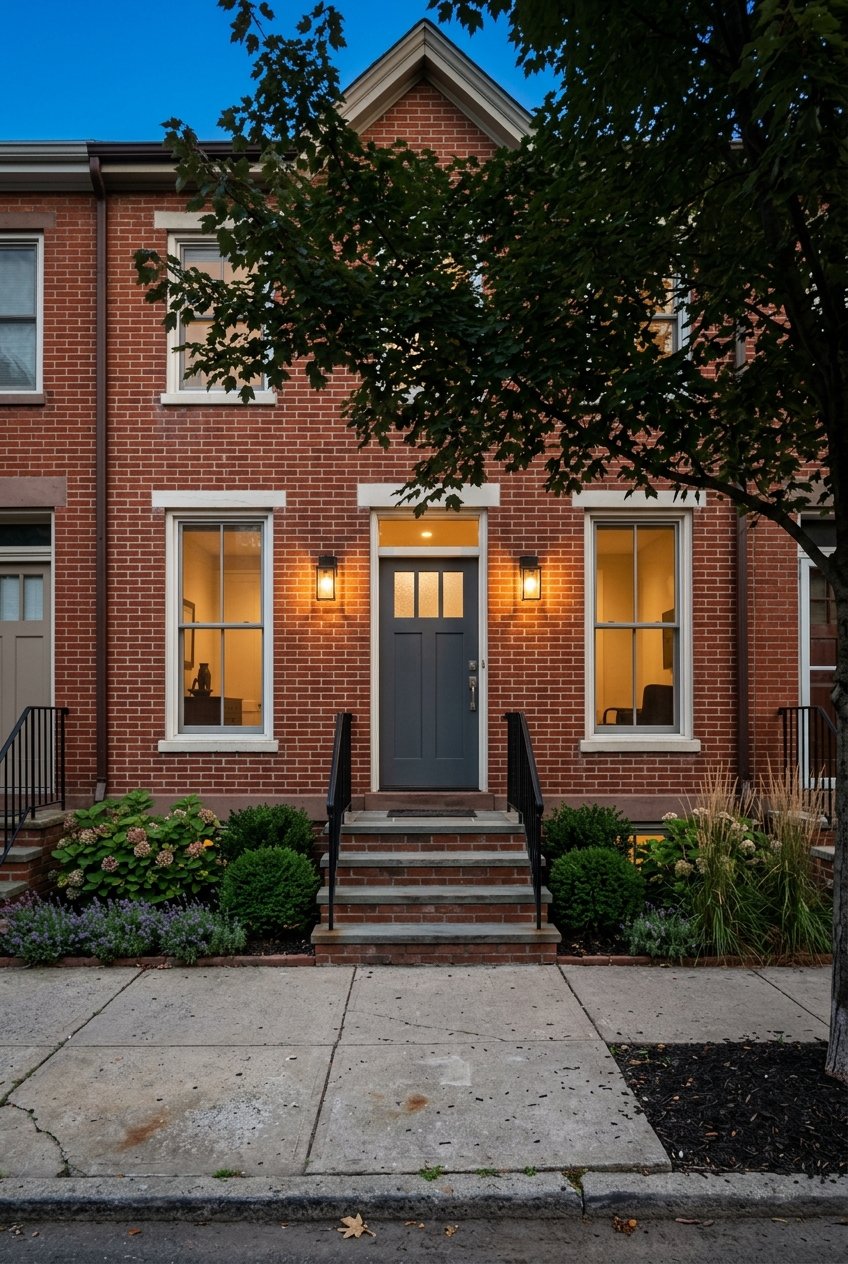
If a listing says brick twin, it often points to an older attached home with masonry construction. Current listing examples include homes described as a brick twin and a Victorian twin in the historic district, with some dating back to the 1890s.
That means you should read listing remarks carefully and make sure the home type fits what you want in terms of privacy, maintenance, layout, and future updates.
Lot Size and Parking Expectations
Ridley Park buyers should also pay attention to lot size and parking, especially if you are moving from Philadelphia or another denser area. The borough zoning ordinance allows single-family detached and single-family semi-detached homes, including twins, with minimum lot areas of 4,000 square feet for detached homes and 3,600 square feet for semi-detached homes.
Current listing examples show lots around 5,663 to 9,148 square feet, with some around 0.3 acres. That is not a borough-wide average, but it gives you a useful feel for what may show up in active inventory.
Parking is another practical point. The borough parking schedule calls for 3 off-street spaces for single-family dwellings, including detached homes and twins. If parking is high on your list, check the driveway setup, garage access, and how the property actually functions day to day.
Historic District Rules Matter
Ridley Park’s character is part of its appeal, but it can also affect what you can change after closing. Because the borough has a historic district, certain exterior changes may require review by the Historical Architectural Review Board, often called HARB, along with a Certificate of Appropriateness.
This is especially important if you are planning visible updates such as:
- Windows
- Siding
- Porches
- Other exterior alterations
If you love older homes and want to renovate, check historic-district status early. It is much easier to build that timing into your plan before you buy than to discover it after settlement.
Older Homes Need Smart Due Diligence
Many buyers are drawn to older homes for their character, layout, and curb appeal. That can be a great fit, but older homes also call for more focused due diligence.
A standard home inspection is broad, but it is not a warranty. According to ASHI, a typical inspection covers the heating system, central air conditioning, plumbing, electrical, roof, attic and insulation, walls, ceilings, floors, windows, doors, and foundation or basement components.
That is a strong starting point, but in Ridley Park, older-home questions often deserve extra attention.
Focus on Roof, Electrical, and Plumbing
For many buyers, the biggest concerns are not cosmetic. They are the systems you cannot easily see during a quick showing.
A practical follow-up list for older Ridley Park homes often includes:
- Roof condition
- Electrical capacity
- Plumbing type and upgrades
- Foundation or basement concerns
- Window condition
Older plumbing deserves special attention. ASHI notes that older homes may still have lead pipe in use, so it is smart to ask about supply lines, service lines, and any known plumbing updates.
Know the Lead Paint Rules
If the home was built before 1978, lead-based paint is an important part of your due diligence. Federal rules require known information about lead-based paint to be disclosed before buying or renting a home built before 1978.
If you want to know whether lead-based paint is present, the EPA recommends certified lead testing. That can be especially relevant if you plan to renovate soon after you move in.
Ask About Asbestos Before Renovating
Asbestos is another issue that can come up in older homes, especially during renovation. The EPA says that if suspect material such as old floor tile, ceiling tile, shingles, siding, or pipe wrap is damaged, or if planned work would disturb it, a trained and accredited asbestos professional should sample it.
This does not mean every older home has a major problem. It does mean you should be thoughtful before tearing into older materials right after closing.
Add Radon Testing Thoughtfully
Radon testing is a sensible add-on for many older Delaware County homes, particularly if you plan to finish a basement or spend a lot of time below grade. In Pennsylvania, radon testing should be handled by a DEP-certified professional.
If the home has a basement that will become living or work space, this is worth discussing early in the inspection process.
Commuting Is Part of the Appeal
Ridley Park is about five miles south of Philadelphia along I-95, and that location is a big part of why buyers consider it. SEPTA’s Ridley Park Station at 201 E. Hinckley Ave is on the Wilmington/Newark Line, with rail connections that continue toward Center City.
QuickFacts lists a mean travel time to work of 27.3 minutes for Ridley Park workers. That supports what many buyers are looking for here: a community with commuter access rather than a market centered only on local employment.
If your move depends on train access, highway convenience, or keeping a manageable commute, it helps to compare homes not just by price and size, but also by how they fit your weekly routine.
Timing Your Offer and Move
Because Ridley Park appears to have relatively stable turnover, timing matters. When many residents stay in place from year to year, the best-fit homes may not come up as often as buyers hope.
That is why preparation matters so much. Before you start touring seriously, it helps to have your financing lined up, your must-have list clear, and your inspection strategy in mind.
A simple prep checklist includes:
- Get pre-approved before you shop
- Review your monthly payment comfort range
- Decide which home types fit your needs
- Ask about historic-district status early
- Plan for inspection add-ons if the home is older
- Coordinate your lease end or sale timeline ahead of time
If you plan exterior work right after closing, build in extra lead time in case HARB review is needed. That small step can save you a lot of frustration later.
What Local Buyers Should Keep Top of Mind
Buying in Ridley Park is not just about finding a pretty house. It is about understanding the home type, the borough rules, the age of the property, and how quickly you may need to act.
The buyers who feel most confident here are usually the ones who stay practical. They read listings closely, ask better inspection questions, and think ahead about commuting, parking, and renovation timing.
With the right guidance, Ridley Park can offer a compelling mix of character, access, and housing variety. If you want help sorting through detached homes, twins, or townhomes in Delaware County, Carolyn Jean Phillips can help you move forward with clarity and confidence.
FAQs
What types of homes can you buy in Ridley Park?
- Ridley Park has a mix of single-family detached homes, semi-detached homes or twins, townhomes, and some multi-family or duplex-style properties.
What does a twin home mean in Ridley Park listings?
- In Ridley Park, a twin usually means a side-by-side attached single-family home, which the borough zoning code also describes as semi-detached.
What should you inspect carefully when buying an older Ridley Park home?
- Pay close attention to the roof, electrical system, plumbing, foundation or basement components, lead paint disclosures for pre-1978 homes, and possible asbestos or radon concerns when relevant.
Do historic district rules affect homes in Ridley Park?
- Yes. If a home is in the historic district, certain exterior changes such as windows, siding, porches, or other visible updates may require HARB review and a Certificate of Appropriateness.
Is Ridley Park a good option for commuters?
- Ridley Park offers access to I-95 and SEPTA Regional Rail through Ridley Park Station on the Wilmington/Newark Line, which can be helpful if you commute toward Philadelphia or nearby areas.